4-7-8 Breathing Timer
📑 Table of Contents
- Introduction to the 4-7-8 Breathing Technique
- What is the 4-7-8 Breathing Technique?
- Step-by-Step Guide to Practice
- The Science Behind 4-7-8 Breathing
- Benefits of 4-7-8 Breathing Technique
- When & How Often to Practice
- Safety Tips and Contraindications
- Comparison with Other Breathing Practices
- Common Mistakes to Avoid
- Final Thoughts
Introduction to the 4-7-8 Breathing Technique
The 4-7-8 Breathing Technique is a simple yet powerful relaxation method that has gained worldwide attention as a tool for calming the mind, improving sleep, and reducing stress. Developed by Dr. Andrew Weil, this technique is often called the “relaxing breath” because of its ability to naturally shift your body into a state of balance.
Unlike complex meditation practices, the 4-7-8 Breathing Technique requires no special equipment or environment. All you need is a few minutes of focused breathing, making it an accessible tool for everyone—from beginners exploring yoga to professionals seeking stress relief in daily life.
What is the 4-7-8 Breathing Technique?
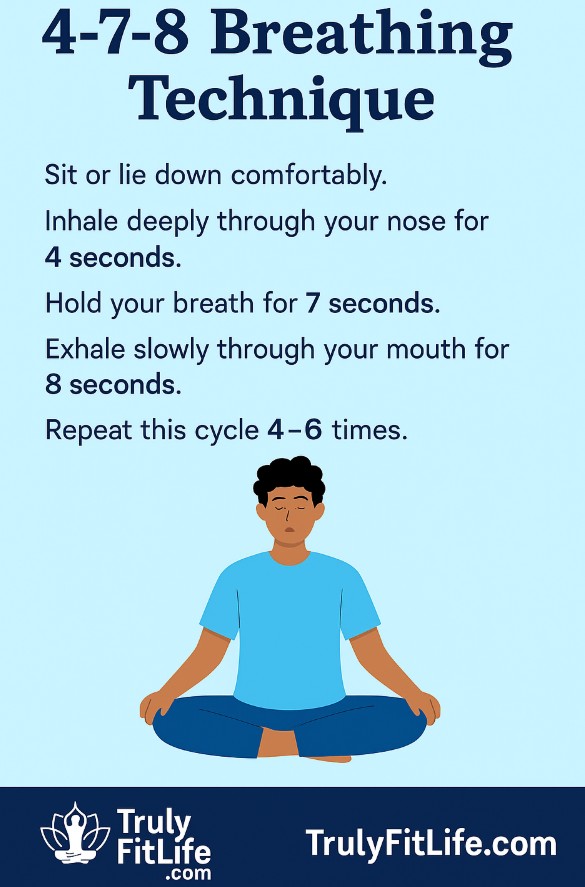
The 4-7-8 Breathing Technique follows a rhythmic cycle of inhaling, holding, and exhaling:
- Inhale through your nose for 4 seconds.
- Hold your breath for 7 seconds.
- Exhale slowly through your mouth for 8 seconds.
- Repeat this cycle 4–6 times.
This controlled breathing sequence acts as a natural tranquilizer, slowing down the heart rate, oxygenating the body, and preparing the nervous system for relaxation.
Step-by-Step Guide to Practice
Here is a simple step-by-step guide to practicing the 4-7-8 Breathing Technique:
- Sit or lie down comfortably. Keep your spine straight.
- Place your tongue on the ridge of tissue just behind your upper front teeth. Keep it there throughout the exercise.
- Exhale completely through your mouth, making a gentle whooshing sound.
- Inhale silently through your nose for a count of 4.
- Hold your breath for a count of 7.
- Exhale slowly through your mouth for a count of 8.
- Repeat this cycle 4–6 times, ideally twice a day.
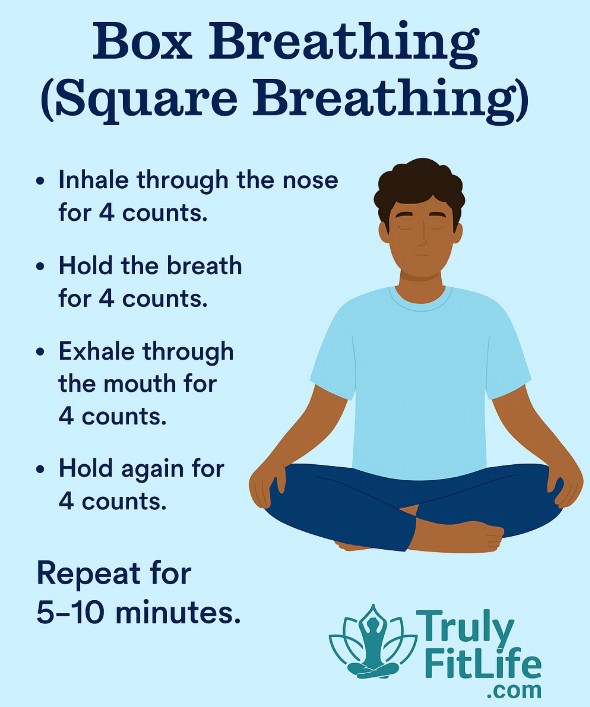
👉 For beginners, you can also try Box Breathing (Square Breathing) which follows a 4-4-4-4 pattern.
The Science Behind 4-7-8 Breathing
The science of the 4-7-8 Breathing Technique lies in its impact on the autonomic nervous system (ANS), which regulates stress and relaxation responses.
- Inhale (4 seconds): Increases oxygen intake, energizing the body.
- Hold (7 seconds): Allows oxygen to fully circulate, balancing carbon dioxide levels.
- Exhale (8 seconds): Activates the parasympathetic nervous system (rest-and-digest mode), slowing heart rate and calming the mind.
Research shows that deep rhythmic breathing can lower blood pressure, reduce cortisol (stress hormone), and improve heart rate variability (HRV).
Benefits of 4-7-8 Breathing Technique
Practicing the 4-7-8 Breathing Technique offers multiple health and lifestyle benefits:
1. Stress Reduction
By activating the parasympathetic nervous system, this technique helps you manage daily stress effectively.
2. Better Sleep Quality
Many people report falling asleep faster after 4-7-8 breathing. It quiets the racing thoughts that often delay sleep.
3. Emotional Balance
This technique is a quick rescue for anxiety, panic attacks, and moments of emotional overwhelm.
4. Improved Focus
Regulated breathing enhances oxygen supply to the brain, boosting concentration and mental clarity.
5. Natural Relaxant
Instead of turning to medication or caffeine, this technique provides a drug-free way to calm your mind and body.
When & How Often to Practice
The 4-7-8 Breathing Technique can be practiced almost anywhere:
- Before bed to fall asleep quickly.
- During stressful work situations.
- Before meditation or yoga practice.
- After physical exercise to restore calm.
Recommended Frequency:
- Beginners: Twice daily (morning and evening).
- Advanced practitioners: Up to four times daily, gradually increasing the cycle count.
Safety Tips and Contraindications
While the 4-7-8 Breathing Technique is safe for most people, consider these guidelines:
- If you feel dizzy, reduce the number of cycles.
- Pregnant women should consult a healthcare provider before practicing.
- Individuals with respiratory conditions (asthma, COPD) should start slowly.
- Always practice on an empty stomach or at least 2 hours after a meal.
Comparison with Other Breathing Practices
The 4-7-8 Breathing Technique is often compared to other pranayama techniques:
- Box Breathing (4-4-4-4): Used by Navy SEALs for stress control.
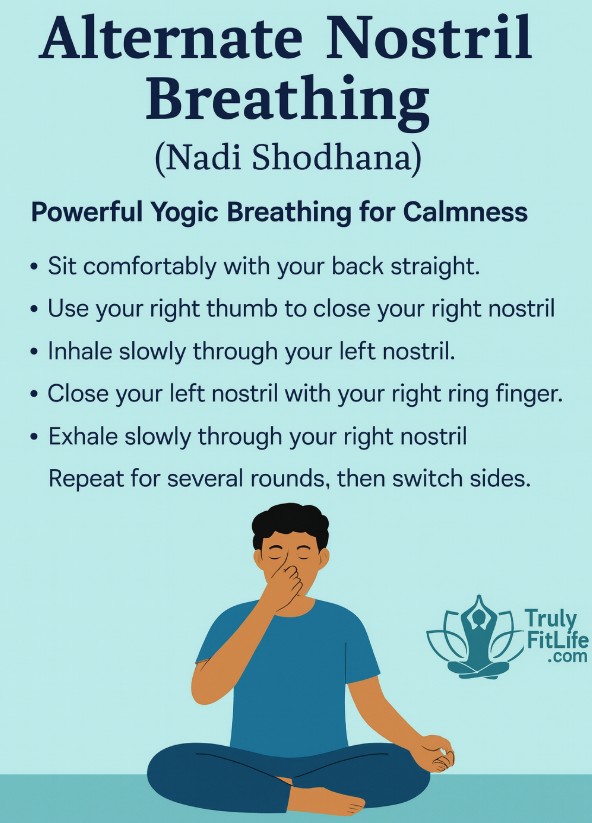
- Alternate Nostril Breathing (Nadi Shodhana): Balances brain hemispheres and energy channels.
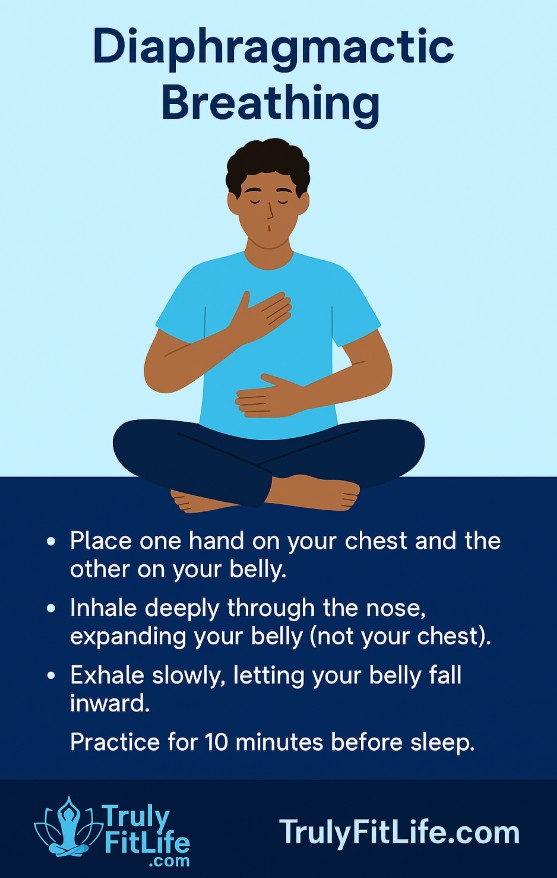
- Diaphragmatic Breathing: Strengthens lung capacity and calms the nervous system.
Each technique has unique benefits, but 4-7-8 stands out for its simplicity and quick results.
Common Mistakes to Avoid
- Breathing too quickly instead of following the exact timing.
- Forcing the breath instead of keeping it gentle and natural.
- Practicing right after a heavy meal.
- Expecting immediate results—consistency is key.
Final Thoughts
The 4-7-8 Breathing Technique is more than just a relaxation exercise—it is a lifestyle tool that brings calm, clarity, and balance to your everyday life. By incorporating it into your daily routine, you can improve sleep quality, reduce stress, and build emotional resilience.
Whether you are new to yoga or a seasoned practitioner, the 4-7-8 Breathing Technique is a timeless method that can transform your mental and physical well-being.
🌬️ Related Breathing & Meditation Practices
- ➤ Alternate Nostril Breathing – Nadi Shodhana
- ➤ Diaphragmatic Breathing – Deep Belly Breathing Technique
- ➤ Box Breathing – Square Breathing Technique
- ➤ Mindful Breathing Before Bed – Relaxation Practice
- ➤ Breathing Meditation for Sleep – Complete Guide
- ➤ Guided Meditation for Sleep – 10 Powerful Techniques