Table of Contents
- Introduction to Anjaneyasana
- Step-by-Step Guide to Anjaneyasana
- Alignment and Drishti Points
- Health Benefits of Anjaneyasana
- Muscles and Systems Activated
- Preparatory and Counter Poses
- Common Mistakes to Avoid
- Variations and Modifications of Anjaneyasana
- Contraindications and Safety Guidelines
- Anjaneyasana in Yoga Philosophy
- Final Thoughts
1. Introduction to Anjaneyasana
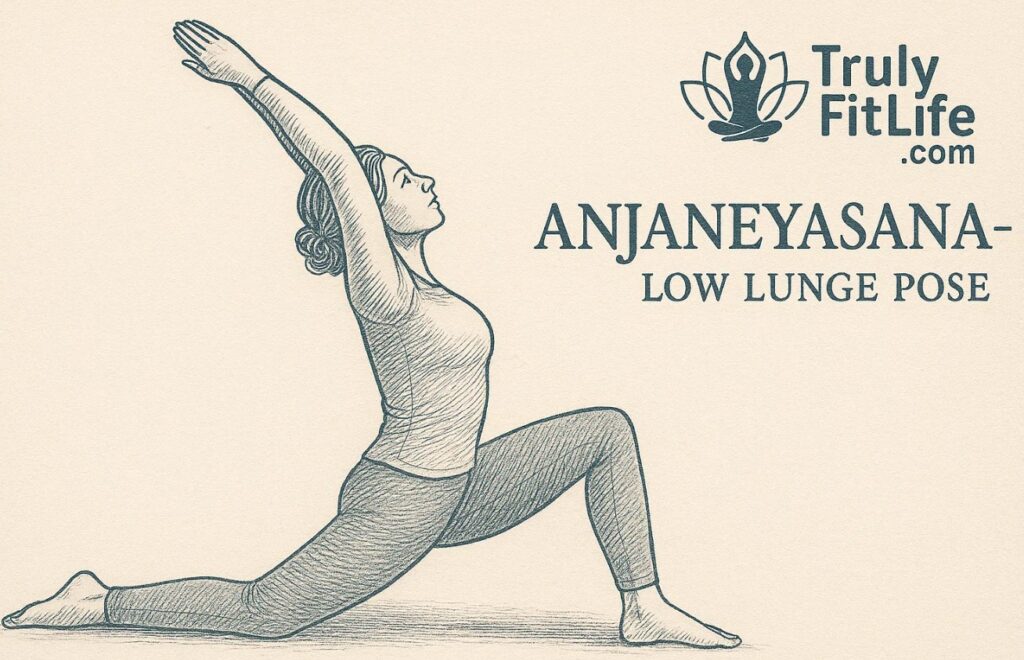
Anjaneyasana, also known as Low Lunge Pose, is a foundational yoga asana that combines strength, flexibility, and mindful breathing. In Sanskrit, Anjaneya refers to Lord Hanuman, the Hindu monkey god, symbolizing devotion, power, and courage.
Practicing Anjaneyasana helps open the hips, stretch the legs, and prepare the body for deeper poses. It is frequently used in warm-ups, Sun Salutations (Surya Namaskar variations), and Vinyasa yoga sequences. Beyond physical benefits, Anjaneyasana represents humility and grounding, making it both energizing and meditative.
2. Step-by-Step Guide to Anjaneyasana
Follow these detailed steps to safely enter and hold Anjaneyasana:
- Start in Downward-Facing Dog (Adho Mukha Svanasana): Spread fingers wide, press palms firmly into the mat.
- Step forward: Exhale, step your right foot between your hands, aligning ankle under the knee.
- Lower the back knee: Gently bring your left knee down to the floor, untucking toes.
- Lift chest and arms: Inhale, raise arms overhead, palms facing or joined together.
- Sink hips forward: With each exhale, deepen into the hip stretch while keeping the torso upright.
- Engage core and lengthen spine: Avoid overarching the lower back; keep chest lifted.
- Drishti (gaze): Look forward or slightly upward without straining the neck.
- Hold: Stay in the pose for 20–40 seconds with steady breathing.
- Release: Exhale, bring hands to the mat, and step back to Downward-Facing Dog. Repeat on the other side.
3. Alignment and Drishti Points in Anjaneyasana
- Front knee aligned over ankle, not extending beyond toes.
- Back leg pressing into the mat, with thigh and hip stretching.
- Shoulders relaxed, arms reaching upward with energy.
- Chest lifted, spine long, hips square to the front.
- Drishti: Forward or upward gaze for stability and focus.
4. Health Benefits of Anjaneyasana
Physical Benefits
- Stretches hip flexors, quadriceps, and hamstrings.
- Opens chest and shoulders, improving posture.
- Strengthens legs, glutes, and lower back muscles.
- Improves balance and stability.
- Increases spinal flexibility and lung capacity.
Mental & Emotional Benefits
- Reduces stress and fatigue.
- Encourages grounding and emotional release.
- Builds focus, discipline, and resilience.
5. Muscles and Systems Activated
Anjaneyasana engages and stretches multiple muscle groups:
- Lower Body: Hip flexors, quadriceps, hamstrings, gluteus maximus.
- Core: Abdominals and obliques for balance.
- Upper Body: Shoulders, pectorals, and spinal extensors.
It also stimulates the digestive system by compressing the abdomen, enhances circulation, and supports the respiratory system through chest expansion.
6. Preparatory and Counter Poses
Preparatory Poses
- Tadasana (Mountain Pose)
- Uttanasana (Standing Forward Bend)
- Adho Mukha Svanasana (Downward-Facing Dog)
Counter Poses
- Ardha Hanumanasana (Half Splits Pose)
- Balasana (Child’s Pose)
- Uttanasana (Standing Forward Bend)
7. Common Mistakes to Avoid
- Knee beyond ankle: Strains the front knee joint.
- Collapsing lower back: Engage core and lengthen spine.
- Tensed shoulders: Keep shoulders soft, away from ears.
- Rushing into depth: Allow hips to open gradually.
8. Variations and Modifications of Anjaneyasana
- Supported Low Lunge: Place hands on blocks for extra balance.
- Crescent Lunge Variation: Keep back knee lifted for a deeper stretch.
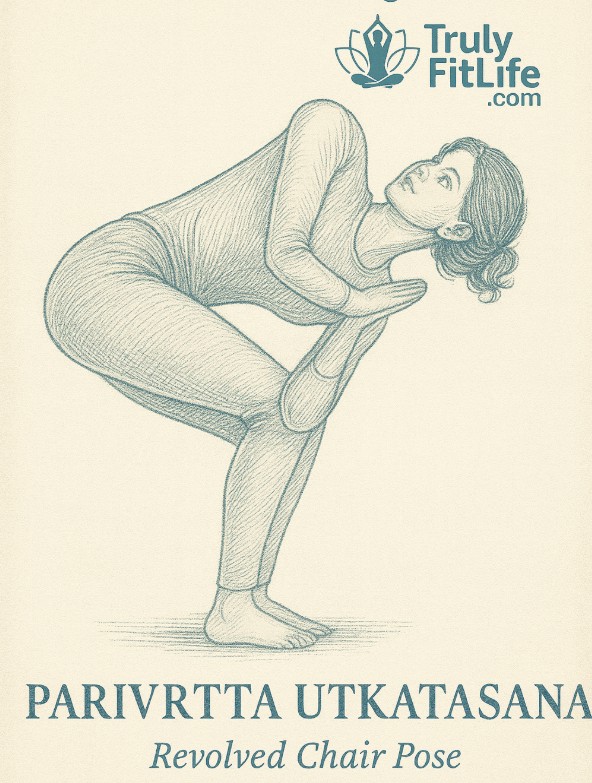
- Twisted Anjaneyasana: Add a gentle twist with hands in prayer at the chest.
- Side Bend Variation: Reach arms overhead and bend to one side to stretch obliques.
9. Contraindications and Safety Guidelines
Avoid or modify Anjaneyasana if you have:
- Knee injuries or recent surgery
- Hip or lower back pain
- High blood pressure (avoid deep backbends)
Safety Tips:
- Place a folded blanket under the back knee for support.
- Warm up with gentle hip openers before practicing.
- Beginners should not overextend hips or arch back excessively.
10. Anjaneyasana in Yoga Philosophy
Anjaneyasana is symbolically connected to Hanuman’s devotion and leap of faith in the Ramayana. It represents courage, humility, and surrender. By practicing this pose, yogis learn to ground through the earth while reaching toward the sky, blending strength with grace.
11. Final Thoughts
Anjaneyasana is a versatile and transformative yoga pose that enhances strength, balance, and openness in both body and mind. Whether practiced as part of Sun Salutations, a hip-opening sequence, or a standalone posture, it offers physical release and emotional grounding.
With regular practice and mindful alignment, Anjaneyasana becomes not just a stretch but a gateway to deeper awareness and self-connection.