Table of Contents
- What is the Ab Stretch Exercise?
- Step-by-Step Guide to Perform Ab Stretch Exercise
- Benefits of Ab Stretch Exercise
- Muscles Worked
- Common Mistakes to Avoid
- Safety Tips and Modifications
- When and How to Include Ab Stretch Exercise in Your Routine
- Final Thoughts
What is the Ab Stretch Exercise?
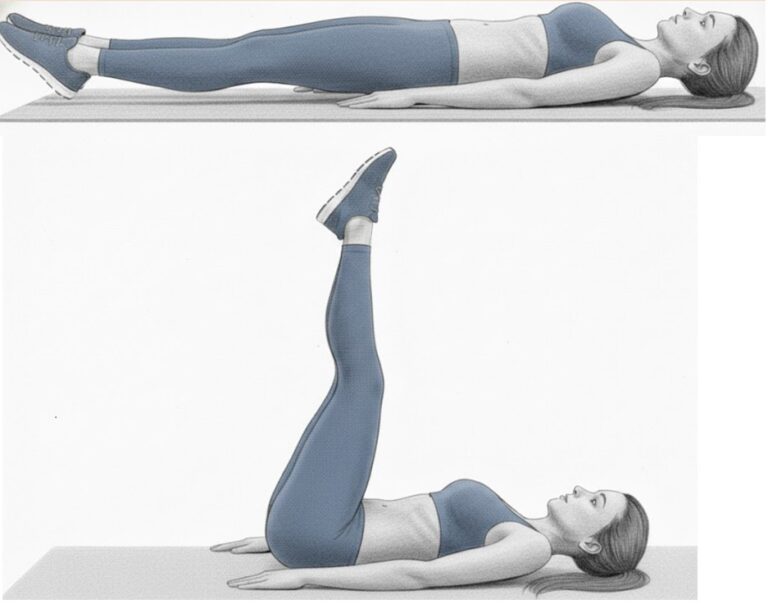
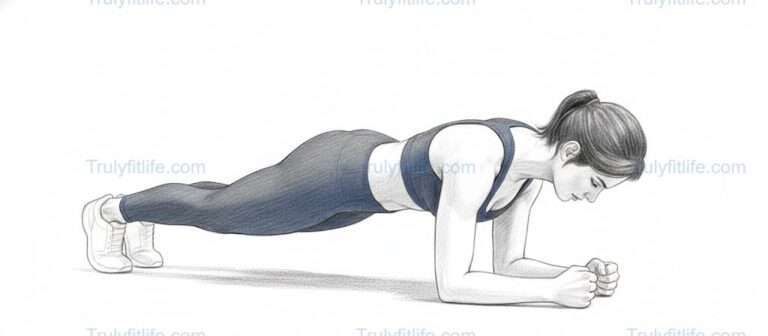
Ab Stretch Exercise is a gentle yet powerful movement designed to elongate and relax your abdominal muscles after intense core workouts. It is especially beneficial after crunches, planks, or leg raises, as it releases tightness in the abs and improves flexibility in the spine.
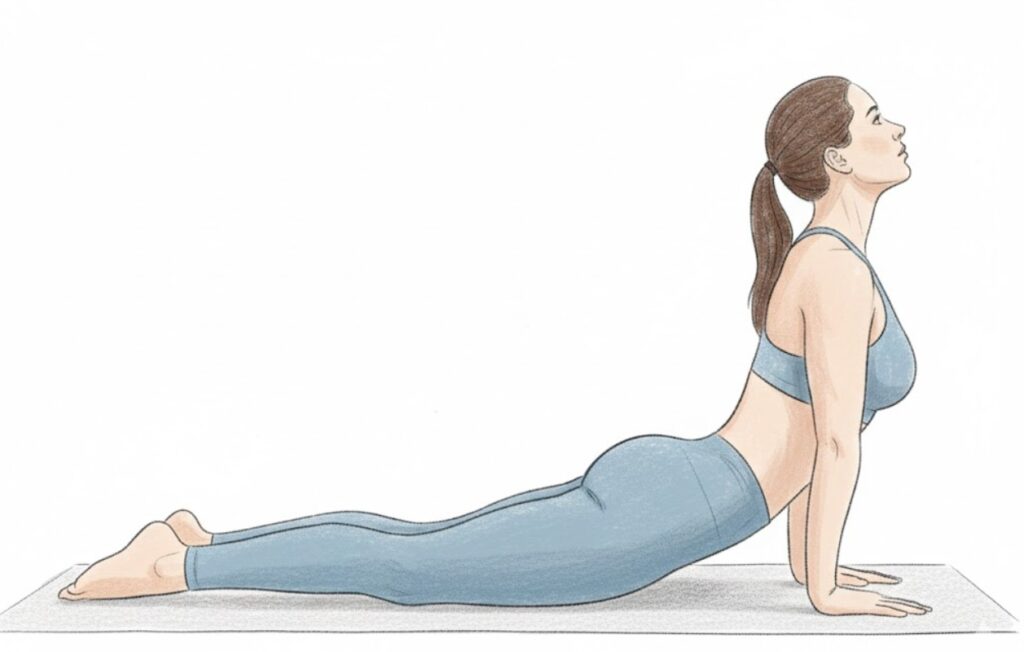
This stretch is also known as the Cobra Stretch or Upward Abdominal Stretch, and it’s a must-do for anyone who trains their core regularly. The Ab Stretch Exercise promotes spinal extension, enhances blood circulation to your midsection, and supports healthy posture.
Step-by-Step Guide to Perform Ab Stretch Exercise
Follow these easy instructions to perform Ab Stretch Exercise correctly:
- Starting Position:
Lie flat on your stomach on a mat with your legs extended and feet together. Place your palms flat on the floor beneath your shoulders. - Engage Your Core:
Gently contract your abs to stabilize your lower back and prevent strain. - Lift Your Chest Up:
Inhale deeply and slowly lift your chest off the mat by straightening your arms. Keep your hips, thighs, and legs pressed against the floor. - Open the Chest:
Roll your shoulders back, broaden your chest, and look slightly upward or forward. Feel a deep stretch in your abdominal region. - Hold the Stretch:
Maintain the position for 20–30 seconds while breathing slowly and evenly. - Return to Start:
Exhale and gently lower your torso back down to the mat. Repeat this 2–3 times for best results.
Benefits of Ab Stretch Exercise
Including Ab Stretch Exercise in your workout routine provides several physical and functional benefits:
- Relieves Abdominal Tightness: Loosens tight abdominal muscles after strength training.
- Improves Spinal Flexibility: Promotes gentle extension of the spine for better mobility.
- Enhances Blood Flow: Encourages circulation to the abdominal and lumbar regions.
- Aids Posture Correction: Counteracts slouching and forward bending movements.
- Boosts Recovery: Reduces soreness and stiffness after ab or back workouts.
- Promotes Relaxation: Helps release stored tension in the upper body and core area.
Muscles Worked in Ab Stretch Exercise
The Ab Stretch Exercise targets and lengthens the following muscles:
- Primary Muscles: Rectus abdominis, transverse abdominis, and hip flexors.
- Secondary Muscles: Chest (pectorals), shoulders (deltoids), and spine extensors.
This full anterior chain stretch helps maintain muscle balance and prevents tightness caused by repetitive crunching or core engagement.
Common Mistakes to Avoid in Ab Stretch Exercise
Avoid these mistakes to ensure you perform the Ab Stretch Exercise safely and effectively:
- Overarching the Back: Avoid pushing too high if you feel pain in the lower spine.
- Shrugging Shoulders: Keep your shoulders relaxed and away from your ears.
- Holding Breath: Always breathe deeply and evenly during the stretch.
- Lifting Hips Off the Floor: Ensure your hips and thighs stay grounded for stability.
Safety Tips and Modifications
- Perform Ab Stretch Exercise after your core or strength training routine.
- If you have lower back pain, do not overextend — lift only as far as comfortable.
- Beginners can start with Forearm Cobra Pose (keep elbows bent).
- To increase intensity, straighten your arms fully and gaze upward.
- Always use a soft mat to avoid pressure on your pelvis.
When and How to Include Ab Stretch Exercise in Your Routine
Perform Ab Stretch Exercise at the end of your workout to aid muscle recovery and flexibility. You can also include it:
- After ab circuits (like crunches or planks).
- Between core-strength sets to prevent tightness.
- As part of your morning or evening flexibility routine.
Do it consistently for 1–2 minutes daily to maintain a supple and flexible abdominal region.
Final Thoughts
The Ab Stretch Exercise is an essential recovery move for anyone looking to balance strength with flexibility. By stretching the abdominal wall, it reduces soreness, improves posture, and supports spinal health.
Add this simple yet effective exercise to your daily routine, and you’ll notice smoother movements, better core flexibility, and enhanced overall recovery.
🧘 Related Yoga Poses You May Like
- ➤ Cobra Pose Bhujangasana (If Exists Skip Else Ignore)
- ➤ Backward Camel Stretch – Relieve Back Tension and Improve Spinal Flexibility
- ➤ Setu Bandhasana – Bridge Pose: Steps, Benefits, and Complete Yoga Guide
- ➤ Dhanurasana – Bow Pose
- ➤ Childs Pose (If Exists Skip Else Ignore)
- ➤ Gentle Yoga for Stress Relief