📑 Table of Contents
- Introduction to Box Breathing (Square Breathing)
- What is Box Breathing (Square Breathing)?
- Step-by-Step Guide to Box Breathing
- The Science Behind Box Breathing
- Benefits of Box Breathing (Square Breathing)
- When & How Often to Practice
- Safety Tips and Contraindications
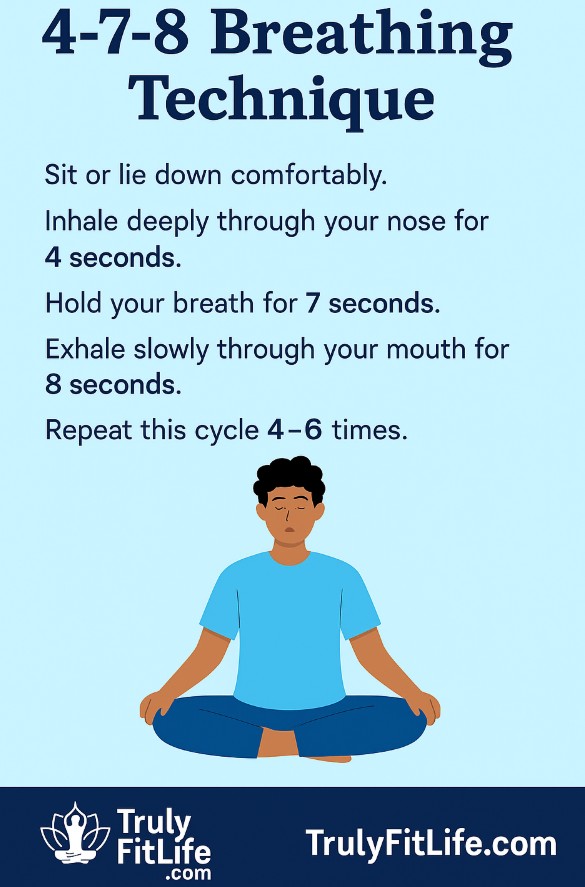
- Box Breathing vs. 4-7-8 Breathing Technique
- Common Mistakes to Avoid
- Final Thoughts
Introduction to Box Breathing (Square Breathing)
The Box Breathing (Square Breathing) technique is a powerful, yet simple breathing exercise used by athletes, yogis, and even Navy SEALs to manage stress and sharpen focus. It is called “box” or “square” breathing because the breathing cycle follows four equal parts—like the four sides of a square.
This breathing method is especially effective for calming the nervous system, boosting concentration, and balancing emotions. Unlike complex pranayama practices, Box Breathing (Square Breathing) is easy to learn and practice anywhere—whether at work, before bed, or during meditation.
What is Box Breathing (Square Breathing)?
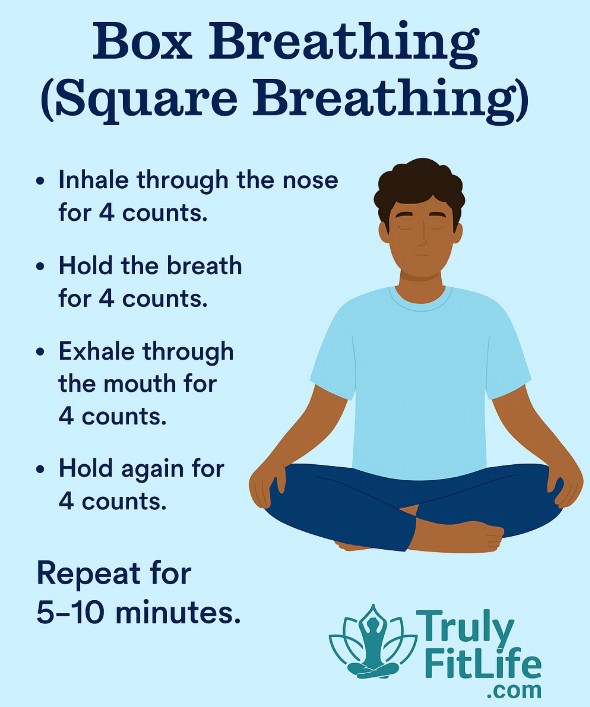
Box Breathing (Square Breathing) is a controlled breathing technique that follows a 4-4-4-4 rhythm:
- Inhale through your nose for 4 seconds.
- Hold your breath for 4 seconds.
- Exhale slowly through your mouth for 4 seconds.
- Hold your breath again for 4 seconds.
This completes one cycle. Repeating this cycle for a few minutes helps regulate oxygen flow, activate the parasympathetic nervous system, and promote a calm, steady state of mind.
👉 Internal Link: You can also explore the 4-7-8 Breathing Technique which offers another simple yet effective relaxation method.
Step-by-Step Guide to Box Breathing
Here’s how to practice Box Breathing (Square Breathing) effectively:
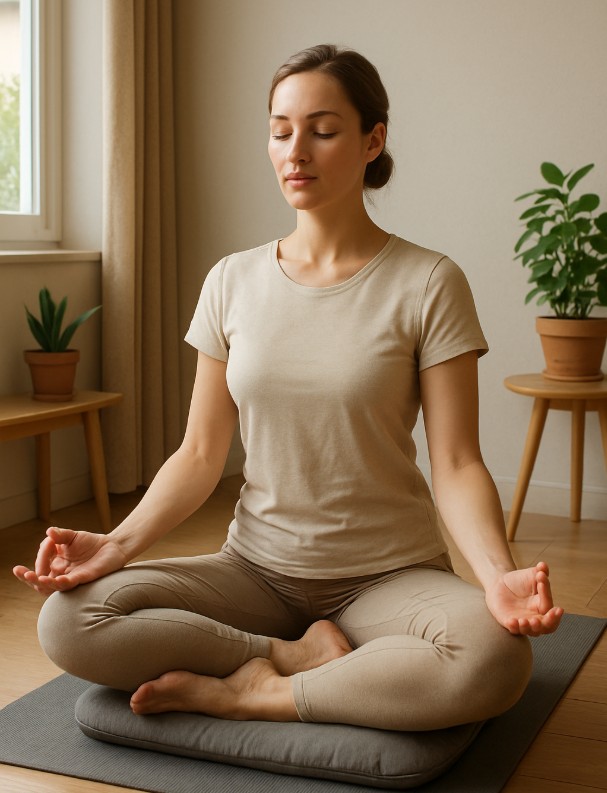
- Find a quiet space. Sit comfortably with your back straight.
- Inhale through your nose to a slow count of 4.
- Hold your breath for a count of 4.
- Exhale slowly through your mouth for 4 counts.
- Hold again for 4 counts.
- Repeat this cycle for 5–10 minutes.
You can visualize a square while practicing—imagine tracing one side of the square with each step of the breath.
The Science Behind Box Breathing
The science of Box Breathing (Square Breathing) is rooted in its impact on the autonomic nervous system (ANS), which regulates stress and relaxation.
- Inhalation (4 sec): Energizes the body by bringing in oxygen.
- Hold (4 sec): Stabilizes blood oxygen and carbon dioxide balance.
- Exhalation (4 sec): Activates the vagus nerve, calming the heart and lowering stress.
- Hold (4 sec): Trains the nervous system to tolerate stillness and reduces anxiety.
Benefits of Box Breathing (Square Breathing)
Practicing Box Breathing (Square Breathing) offers several benefits:
1. Stress Relief
This technique quickly reduces cortisol levels, helping you remain calm in high-pressure situations.
2. Enhanced Focus
By controlling your breath, you improve attention span and mental clarity.
3. Emotional Balance
It helps regulate emotional responses and supports mindfulness.
4. Better Sleep Quality
Calms racing thoughts and prepares the body for rest.
5. Improved Physical Endurance
Athletes use Box Breathing (Square Breathing) to regulate breathing during workouts.
When & How Often to Practice
You can practice Box Breathing (Square Breathing):
- Before stressful meetings or presentations.
- During meditation or yoga sessions.
- Before bedtime to wind down.
- In moments of anxiety or panic.
Recommended Frequency: Start with 5 minutes once a day, and gradually increase to 10–15 minutes, two to three times daily.
Safety Tips and Contraindications
While Box Breathing (Square Breathing) is safe for most people, here are some precautions:
- Avoid forcing the breath—keep it gentle.
- If you feel lightheaded, reduce the duration of holds.
- Pregnant women and people with respiratory issues should consult a healthcare provider first.
- Practice on an empty stomach or at least 2 hours after meals.
Box Breathing vs. 4-7-8 Breathing Technique
Both Box Breathing (Square Breathing) and 4-7-8 Breathing Technique are highly effective, but they serve slightly different purposes:
- Box Breathing (4-4-4-4): Best for focus, resilience, and anxiety control.
- 4-7-8 Breathing: Best for deep relaxation, sleep improvement, and calming racing thoughts.
Common Mistakes to Avoid
- Breathing too fast instead of following equal timing.
- Holding the breath too tightly, causing strain.
- Expecting instant results without regular practice.
- Forgetting posture—slouching reduces lung capacity.
Final Thoughts
The Box Breathing (Square Breathing) method is a versatile, science-backed practice that you can use anytime, anywhere. Whether you are preparing for a stressful event, winding down for the night, or seeking more mental clarity, this breathing method can transform your physical and emotional well-being.
Start with just a few minutes daily, and over time, Box Breathing (Square Breathing) will become your go-to tool for inner calm and resilience.
🧘 Related Yoga Poses You May Like
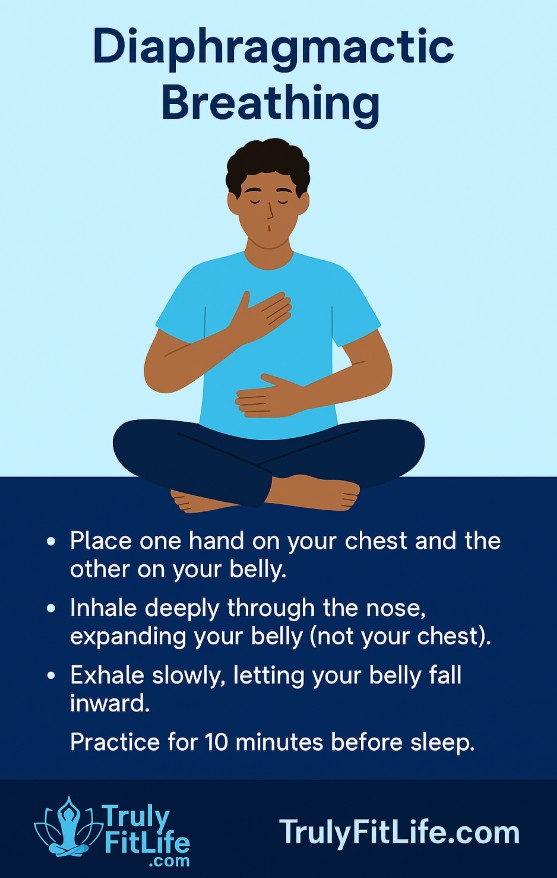
- ➤ Diaphragmatic Breathing – Powerful Technique for Relaxation and Better Health
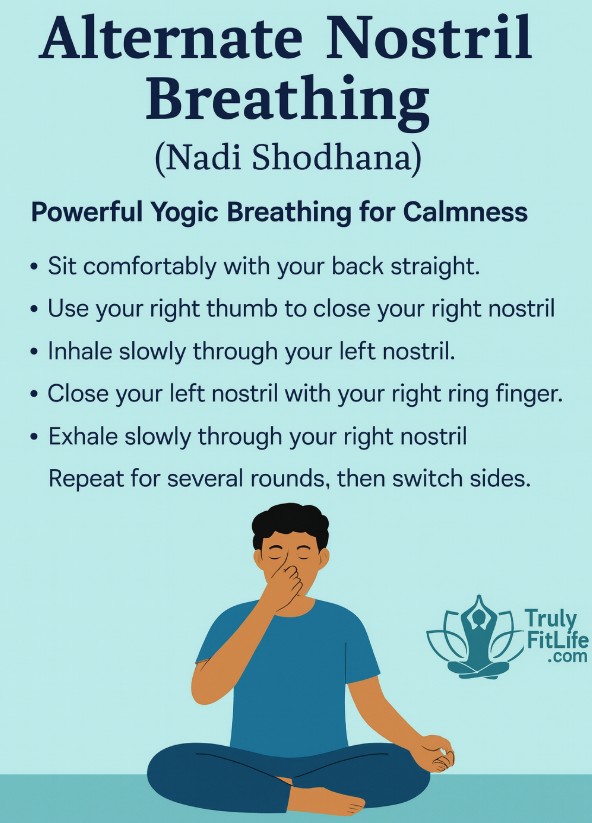
- ➤ Alternate Nostril Breathing (Nadi Shodhana) — Powerful Yogic Breathing for Calmness
- ➤ 4-7-8 Breathing Technique – Calm Your Mind & Improve Sleep Naturally
- ➤ Mindful Breathing Before Bed — A Powerful Practice for Deep Sleep
- ➤ Breathing Meditation for Sleep – A Powerful Guide to Restful Nights
- ➤ Guided Meditation for Sleep: 10 Techniques That Actually Work