📑 Table of Contents
- Introduction to Diaphragmatic Breathing
- What is Diaphragmatic Breathing?
- Science Behind Diaphragmatic Breathing
- Step-by-Step Guide to Diaphragmatic Breathing
- Benefits of Diaphragmatic Breathing
- Physical Benefits
- Mental & Emotional Benefits
- When & How to Practice
- Common Mistakes and Corrections
- Diaphragmatic Breathing for Special Groups
- For Stress & Anxiety
- For Asthma & COPD Patients
- For Yoga & Meditation
- Safety Tips & Precautions
- Final Thoughts
🧘 Introduction to Diaphragmatic Breathing
Diaphragmatic Breathing is one of the most effective techniques to calm the body and mind. Unlike shallow chest breathing, this practice activates the diaphragm, a dome-shaped muscle located at the base of your lungs. By learning to engage the diaphragm, you improve oxygen exchange, reduce stress hormones, and restore balance in the nervous system.
💡 What is Diaphragmatic Breathing?
Diaphragmatic Breathing, also called abdominal breathing or belly breathing, involves breathing deeply into the lungs so that the belly rises with inhalation and falls with exhalation. Instead of lifting the chest, the breath movement originates in the lower lungs, engaging the diaphragm muscle effectively.
This technique is widely used in yoga, meditation, physiotherapy, and clinical rehabilitation for patients with lung conditions.
🔬 Science Behind Diaphragmatic Breathing
Research shows that Diaphragmatic Breathing stimulates the parasympathetic nervous system, which triggers the “relaxation response.” This lowers cortisol levels, reduces heart rate, and improves blood pressure regulation.
Studies also show:
- Improved lung capacity
- Better oxygen exchange
- Reduced anxiety and depression symptoms
- Enhanced focus and concentration
By training your body to breathe deeply, you build resilience against stress and improve long-term health.
📝 Step-by-Step Guide to Diaphragmatic Breathing
Follow these steps for correct practice:
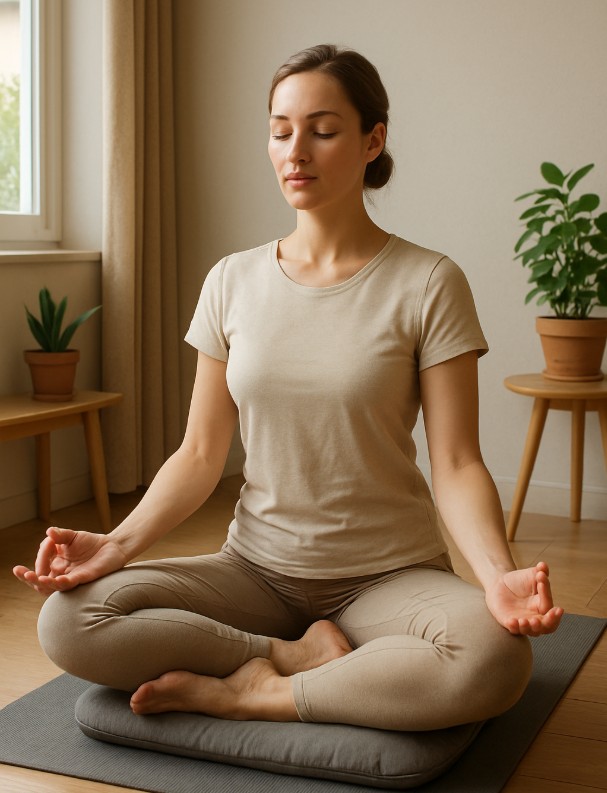
- Find a comfortable position – Sit upright or lie on your back with knees bent.
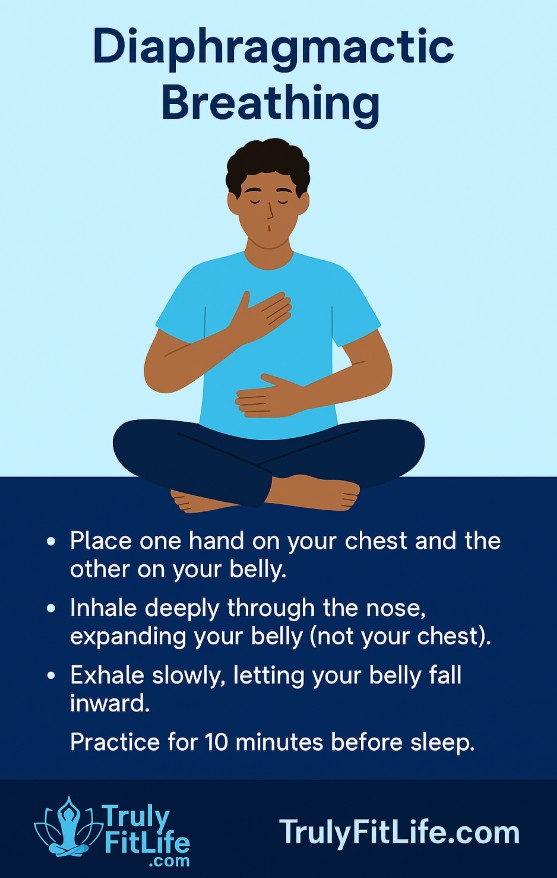
- Place your hands – One hand on your chest, the other on your belly just below the rib cage.
- Inhale deeply – Through the nose for 3–4 seconds, letting the belly rise while keeping the chest still.
- Exhale slowly – Through pursed lips for 4–6 seconds, letting the belly fall.
- Repeat – Continue for 5–10 minutes, focusing on the rhythm of breath.
👉 Beginners can start with 5 minutes daily and gradually increase to 15–20 minutes.
🌟 Benefits of Diaphragmatic Breathing
🔹 Physical Benefits
- Improves lung capacity and efficiency
- Strengthens diaphragm and respiratory muscles
- Enhances oxygen supply to body tissues
- Supports digestion by massaging abdominal organs
- Reduces blood pressure and heart rate
🔹 Mental & Emotional Benefits
- Reduces stress and anxiety
- Promotes relaxation and better sleep
- Improves concentration and mindfulness
- Helps in anger and emotional control
- Supports mental clarity and decision making
🕒 When & How to Practice
- Morning: To start the day with calmness and energy.
- Before bed: Promotes deep sleep and relaxation.
- During stress: Helps regain control over emotions and reactions.
- During yoga or meditation: Enhances focus and deepens practice.
Recommended duration: 10–20 minutes per day.
⚠️ Common Mistakes and Corrections
- Lifting chest instead of belly → Place a hand on chest to check movement.
- Breathing too fast → Slow down and count your breaths.
- Forcing the breath → Keep it natural and gentle.
- Poor posture → Sit or lie in a position that allows belly expansion.
👨👩👧 Diaphragmatic Breathing for Special Groups
🧠 For Stress & Anxiety
- A quick 5-minute session can reduce panic and improve focus.
🌬️ For Asthma & COPD Patients
- Helps strengthen lungs and reduce shortness of breath. Should be practiced under guidance of a doctor or therapist.
🧘 For Yoga & Meditation
- Forms the foundation of Pranayama practices. Enhances control over breath and energy flow.
🛡️ Safety Tips & Precautions
- Consult a doctor if you have chronic lung or heart disease.
- Avoid practicing right after heavy meals.
- If you feel dizzy, pause and return to normal breathing.
- Children and elderly can practice, but start slow and gentle.
🏁 Final Thoughts
Diaphragmatic Breathing is a simple yet powerful tool for better health. By engaging the diaphragm, you not only improve your breathing efficiency but also enhance relaxation, mental clarity, and resilience to stress.
Just 10 minutes a day can make a noticeable difference in your physical and emotional well-being.
🧘 Related Yoga Poses You May Like
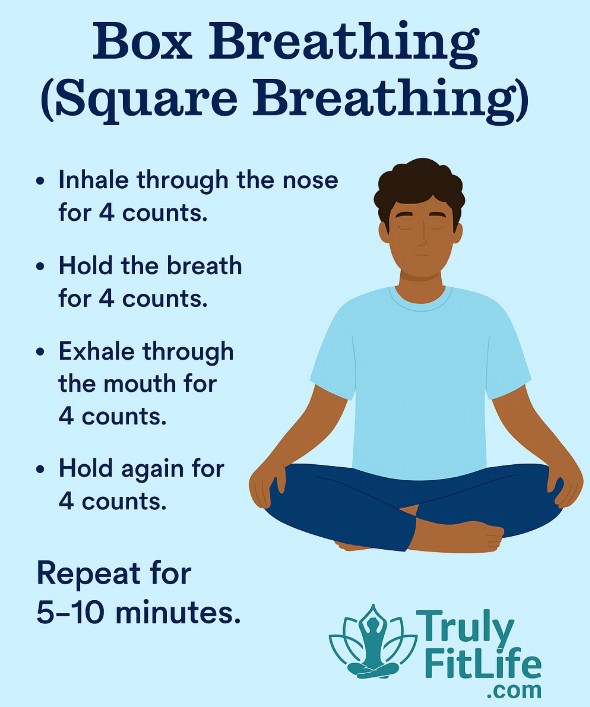
- ➤ Box Breathing Square Breathing Master Calmness And Focus With Breath
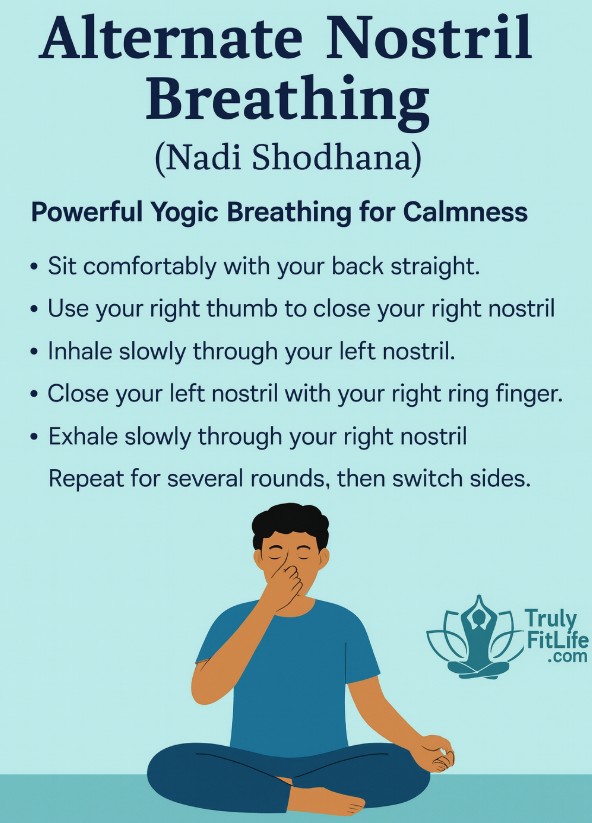
- ➤ Alternate Nostril Breathing Nadi Shodhana Powerful Yogic Breathing For Calmness
- ➤ 4 7 8 Breathing Technique Calm Your Mind Improve Sleep Naturally
- ➤ Mindful Breathing Before Bed A Powerful Practice For Deep Sleep
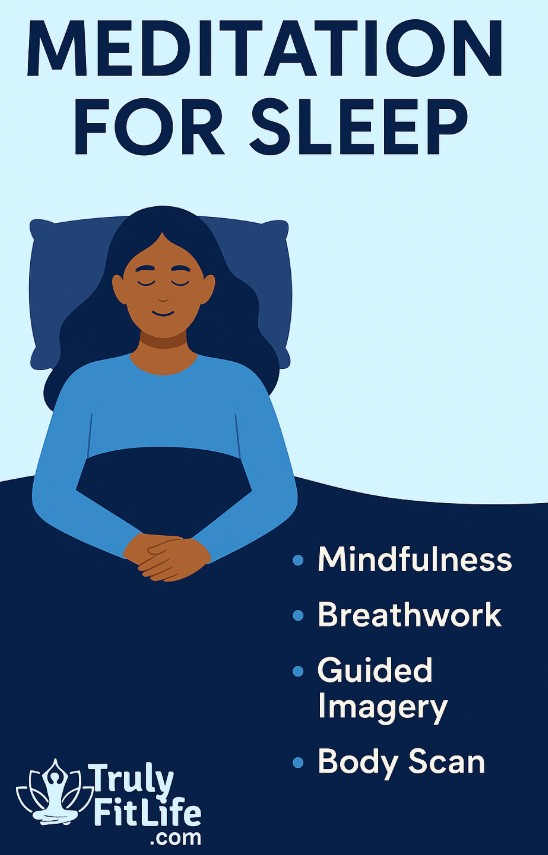
- ➤ Breathing Meditation For Sleep A Powerful Guide To Restful Nights
- ➤ Meditation For Beginners Your Complete Step By Step Guide