Table of Contents
- Introduction to Setu Bandhasana – Bridge Pose
- How to Practice Setu Bandhasana – Step-by-Step Guide
- Benefits of Setu Bandhasana – Bridge Pose
- Physical Benefits
- Mental & Emotional Benefits
- Spiritual Benefits
- Anatomy and Muscles Engaged in Setu Bandhasana
- Contraindications & Safety Precautions
- Variations and Modifications of Setu Bandhasana – Bridge Pose
- Preparatory and Counter Poses
- Setu Bandhasana in Yoga Philosophy and Tradition
- Common Mistakes to Avoid in Setu Bandhasana – Bridge Pose
- Final Thoughts
1. Introduction to Setu Bandhasana – Bridge Pose
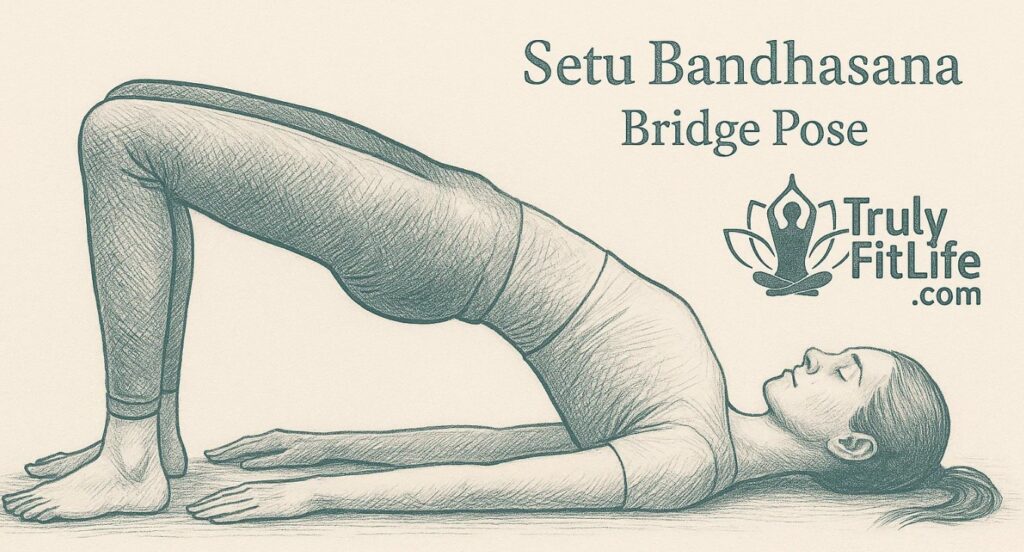
Setu Bandhasana – Bridge Pose is a classic yoga asana named after the Sanskrit words Setu (bridge) and Bandha (lock or bind). The posture resembles the shape of a bridge, symbolizing connection, support, and balance.
This pose is highly therapeutic, strengthening the back, improving posture, and calming the nervous system. It is widely used in Hatha Yoga, Iyengar Yoga, and restorative practices for its balancing effects on body and mind.
2. How to Practice Setu Bandhasana – Step-by-Step Guide
Follow these steps to perform Setu Bandhasana – Bridge Pose correctly:
- Lie flat on your back with arms alongside the body.
- Bend your knees and place your feet hip-width apart, heels close to the sitting bones.
- Press palms into the floor and inhale deeply.
- Exhale and lift hips upward, keeping thighs and feet parallel.
- Interlace fingers under the back and roll shoulders in for chest expansion.
- Keep chin slightly tucked, maintaining space between chest and chin.
- Hold the pose for 20–40 seconds, breathing steadily.
- To release, exhale and slowly lower the hips back down.
👉 Tip: Beginners can place a yoga block under the sacrum for support.
3. Benefits of Setu Bandhasana – Bridge Pose
3.1 Physical Benefits
- Strengthens the spine, glutes, and hamstrings.
- Opens the chest and shoulders, improving posture.
- Stimulates abdominal organs, aiding digestion.
- Relieves tension in the back and neck.
- Improves flexibility in hip flexors and thighs.
3.2 Mental & Emotional Benefits
- Reduces stress and mild depression.
- Calms the mind and improves focus.
- Relieves fatigue and anxiety.
3.3 Spiritual Benefits
- Activates the Anahata (Heart Chakra) and Vishuddha (Throat Chakra).
- Enhances prana flow through chest and throat.
- Encourages balance between grounding and expansion.
4. Anatomy and Muscles Engaged in Setu Bandhasana
This pose engages several key muscles:
- Erector spinae – strengthens back extensors.
- Gluteus maximus – supports hip lift.
- Hamstrings – stabilize thighs.
- Quadriceps – keep legs active.
- Chest and shoulders – open and expand.
- Core muscles – provide stability.
5. Contraindications & Safety Precautions
Avoid or modify Setu Bandhasana – Bridge Pose if you have:
- Recent neck, back, or shoulder injury.
- Severe spinal conditions.
- Uncontrolled hypertension.
Safety Tips:
- Do not overarch the lower back.
- Keep knees aligned with hips, not splaying outward.
- Support with props if flexibility is limited.
6. Variations and Modifications of Setu Bandhasana – Bridge Pose
- Supported Bridge Pose: Place a block under the sacrum for a restorative version.
- Dynamic Bridge Pose: Lift and lower hips rhythmically to strengthen glutes.
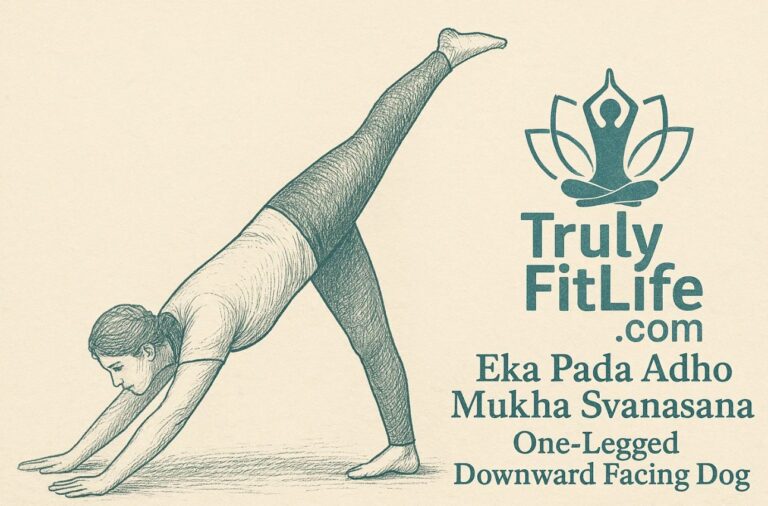
- One-Leg Bridge Pose: Extend one leg upward for advanced variation.
7. Preparatory and Counter Poses
Preparatory Poses:
- Supta Baddha Konasana (Reclined Bound Angle Pose)
- Bhujangasana (Cobra Pose)
- Dandasana (Staff Pose)
Counter Poses:
- Apanasana (Knees-to-Chest Pose)
- Paschimottanasana (Seated Forward Bend)
- Savasana (Corpse Pose)
8. Setu Bandhasana in Yoga Philosophy and Tradition
In yoga philosophy, bridges represent connections – between body and mind, breath and movement, the physical and spiritual.
Setu Bandhasana is said to balance energetic pathways, opening the heart and throat chakras for communication, compassion, and emotional release. It is also used in restorative yoga to counter modern sedentary lifestyles.
9. Common Mistakes to Avoid in Setu Bandhasana – Bridge Pose
- Overarching the lower back instead of lifting with thighs.
- Spreading knees too wide apart.
- Collapsing chest instead of opening it.
- Holding breath instead of breathing deeply.
10. Final Thoughts
Setu Bandhasana – Bridge Pose is both a strengthening and restorative yoga posture. It improves flexibility, posture, and lung capacity while also calming the mind.
Practicing regularly helps build a bridge between strength and relaxation, making it beneficial for beginners and advanced yogis alike.
🧘 Related Yoga Poses You May Like
- ➤ Dhanurasana – Bow Pose
- ➤ Urdhva Hastasana (Upward Salute Pose) – Steps, Benefits, and More
- ➤ Supta Baddha Konasana – Reclined Bound Angle Pose: Steps, Benefits, and Relaxation Guide
- ➤ Viparita Karani – Legs Up the Wall Pose Complete Guide
- ➤ Halasana – Plow Pose: Steps, Benefits, and Complete Yoga Guide
- ➤ Sarvangasana – Shoulderstand Pose Complete Yoga Guide for Balance & Vitality