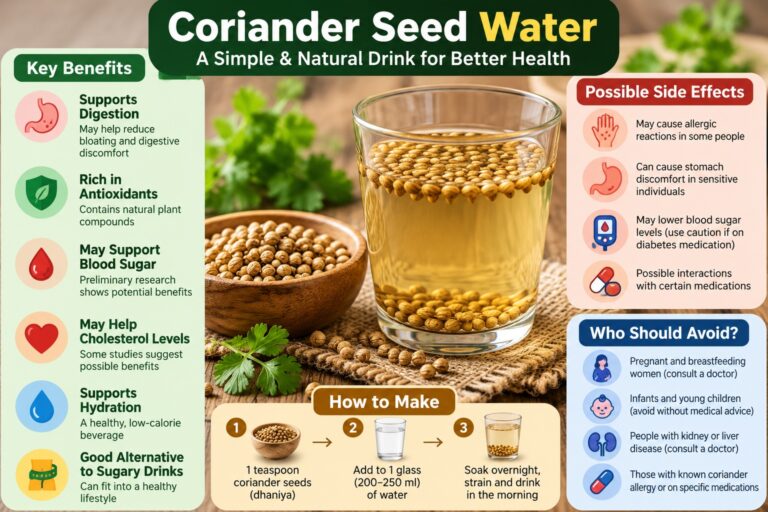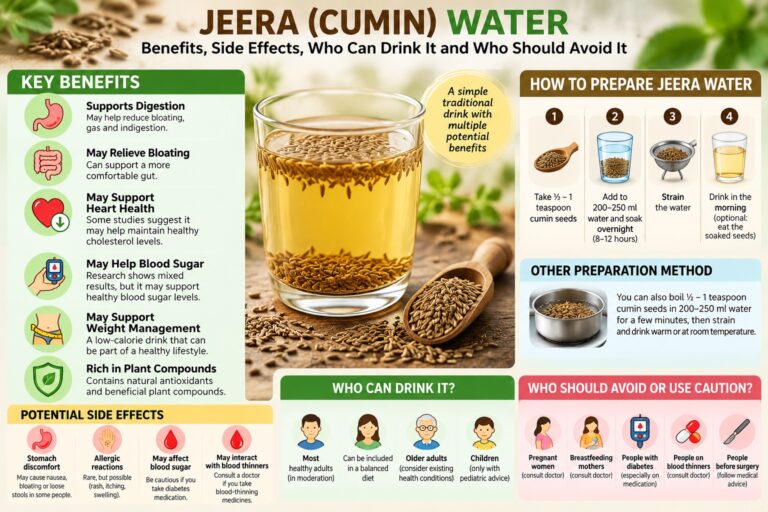
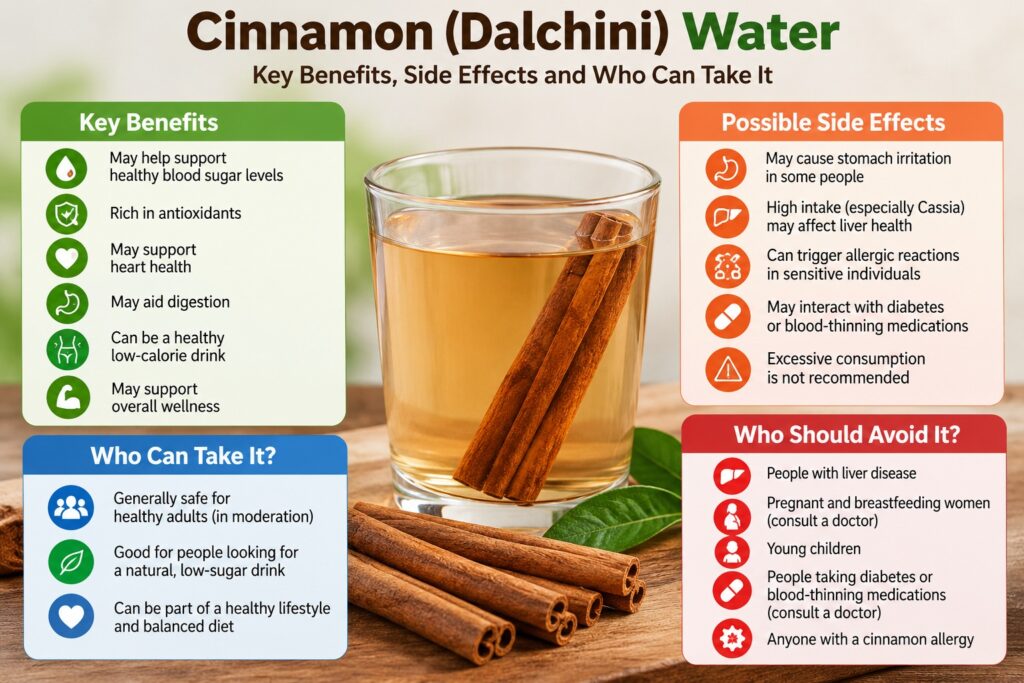
Cinnamon water benefits are widely discussed in natural health and wellness practices. Also known as Dalchini water, this simple drink is prepared by soaking cinnamon sticks in water or gently boiling them to release their flavor and naturally occurring plant compounds.
Cinnamon is a popular kitchen spice used in Indian cooking, herbal drinks, and traditional preparations. It contains antioxidants and other bioactive compounds that have been investigated for their potential effects on blood sugar, cholesterol, inflammation, and metabolic health.
However, drinking cinnamon water is not a proven treatment for diabetes, weight loss, or other medical conditions. Its effects depend on the type of cinnamon, quantity consumed, preparation method, and individual health conditions.
In this guide, we will explore the potential benefits of cinnamon water, its possible side effects, how to prepare soaked cinnamon water, who can drink it, and who should avoid regular consumption.
Table of Contents
- What Is Cinnamon Water?
- Types of Cinnamon: Ceylon vs Cassia
- 7 Potential Benefits of Cinnamon Water
- Cinnamon Water Side Effects
- Who Can Drink Cinnamon Water?
- Who Should Avoid Cinnamon Water?
- How to Make Overnight Soaked Cinnamon Water
- Cinnamon Water: Soaking vs Boiling
- Best Time to Drink Cinnamon Water
- Can You Drink Cinnamon Water Every Day?
- Frequently Asked Questions
- Final Thoughts
What Is Cinnamon Water (Dalchini Water)?
Cinnamon water is a beverage made by infusing cinnamon bark in water. It is commonly prepared using cinnamon sticks, although cinnamon powder can also be used.
Cinnamon contains naturally occurring compounds such as cinnamaldehyde, polyphenols, and coumarin. These compounds are responsible for its characteristic aroma, flavor, and some of the biological effects investigated in scientific research.
There are two popular ways to prepare cinnamon water:
- Soaked cinnamon water: Cinnamon sticks are placed in water for several hours or overnight.
- Boiled cinnamon water: Cinnamon sticks are simmered in water to produce a more concentrated infusion.
Although cinnamon has been studied for several health-related effects, research specifically examining ordinary overnight-soaked cinnamon water remains limited.
Types of Cinnamon: Ceylon vs Cassia
Before drinking cinnamon water regularly, it is important to understand the difference between the two commonly available types.
1. Ceylon Cinnamon (True Cinnamon)
Ceylon cinnamon, scientifically known as Cinnamomum verum, is commonly called true cinnamon.
It has a relatively mild, sweet flavor and naturally contains very low amounts of coumarin.
Because of its lower coumarin content, Ceylon cinnamon is generally preferable for people who want to consume cinnamon regularly.
2. Cassia Cinnamon
Cassia cinnamon is widely available in grocery stores and commonly used in cooking.
It has a stronger flavor and generally contains considerably more coumarin than Ceylon cinnamon.
Coumarin is a naturally occurring compound that can cause liver-related concerns when consumed in excessive amounts over time.
Important: If you plan to prepare cinnamon water regularly, choose Ceylon cinnamon when available.
7 Potential Benefits of Cinnamon Water
The following benefits are based on research involving cinnamon, cinnamon extracts, or related preparations. They should not be interpreted as proven medical benefits of overnight-soaked cinnamon water.
1. May Support Healthy Blood Sugar Levels
One of the most researched potential benefits of cinnamon is its relationship with blood glucose regulation.
Some clinical studies have reported improvements in fasting blood glucose and certain metabolic markers among people with type 2 diabetes who consumed cinnamon preparations.
Researchers have investigated whether cinnamon compounds may influence insulin sensitivity and glucose metabolism.
However, study results are inconsistent, and the effects vary depending on the cinnamon preparation, quantity, and study population.
What this means: Cinnamon water may have potential metabolic effects, but it is not a substitute for diabetes medication, dietary management, or medical advice.
People taking insulin or blood-sugar-lowering medicines should consult their healthcare professional before regularly consuming concentrated cinnamon preparations.
2. Contains Antioxidant Compounds
Cinnamon contains naturally occurring polyphenols and other compounds that demonstrate antioxidant activity in laboratory studies.
Antioxidants help protect cells from oxidative damage caused by unstable molecules known as free radicals.
Cinnamon extracts have demonstrated antioxidant properties in experimental research.
However, laboratory antioxidant activity does not automatically establish that drinking cinnamon water prevents diseases or produces significant health improvements in humans.
Potential benefit: Cinnamon contributes antioxidant plant compounds to the diet, although the clinical effects of ordinary cinnamon water remain uncertain.
3. May Support Healthy Cholesterol Levels
Some clinical studies investigating cinnamon supplementation have reported improvements in certain blood lipid measurements, including triglycerides, total cholesterol, and LDL cholesterol.
However, findings vary across studies, and the evidence is not strong enough to recommend cinnamon as a cholesterol-lowering treatment.
Cinnamon water should not replace prescribed cholesterol medication, a balanced diet, physical activity, or regular health monitoring.
4. May Support Digestive Comfort
Cinnamon has traditionally been used in different cultures as a digestive spice.
Some people enjoy cinnamon-infused water after meals because of its warm aroma and flavor.
Cinnamon has also been investigated in traditional herbal preparations for digestive complaints.
However, there is limited clinical evidence showing that overnight-soaked cinnamon water reliably treats bloating, indigestion, acidity, or other gastrointestinal conditions.
People with sensitive stomachs may experience irritation when consuming concentrated cinnamon preparations.
5. May Help Reduce Added Sugar Intake
One practical benefit of cinnamon water is that it can be consumed without added sugar.
Its naturally sweet and aromatic flavor may make plain water more enjoyable.
If cinnamon water replaces sugary beverages such as sweetened tea, packaged juice, or soft drinks, it may help reduce overall added-sugar consumption.
This benefit comes primarily from replacing sugary drinks rather than from cinnamon directly burning fat or increasing metabolism.
6. May Have Modest Effects on Blood Pressure
Some studies involving cinnamon supplementation have reported modest improvements in blood pressure measurements.
However, research findings are inconsistent, and the results cannot be directly applied to ordinary cinnamon water.
People with hypertension should continue their prescribed treatment and monitor their blood pressure as advised by their healthcare professional.
Cinnamon water is not a replacement for blood pressure medication.
7. May Support Overall Dietary Variety
Cinnamon contains naturally occurring aromatic compounds and plant chemicals that contribute to dietary diversity.
Including small amounts of cinnamon in a balanced diet can add flavor without requiring additional sugar or artificial flavoring.
However, there is no strong evidence that cinnamon water alone boosts immunity, detoxifies the body, or prevents chronic diseases.
Cinnamon Water for Weight Loss: Does It Really Work?
Cinnamon water is sometimes promoted as a natural belly-fat-burning drink.
However, there is insufficient scientific evidence to establish that drinking cinnamon water directly burns body fat or produces meaningful weight loss.
Some studies have examined cinnamon supplementation and body-weight measurements, but results are inconsistent.
Cinnamon water may indirectly support a healthy weight-management routine when it replaces high-calorie, sugar-sweetened beverages.
For sustainable weight management, focus on:
- Maintaining an appropriate calorie intake.
- Eating balanced meals with sufficient protein and fiber.
- Regular physical activity.
- Adequate sleep.
- Consistent healthy habits.
Bottom line: Cinnamon water is not a proven fat-burning drink, and it cannot selectively remove belly fat.
Cinnamon Water Side Effects and Risks
Although cinnamon is commonly used as a food spice, excessive or prolonged consumption may cause unwanted effects.
The most important safety consideration is the coumarin content of Cassia cinnamon.
1. Possible Liver Damage
Cassia cinnamon contains naturally occurring coumarin.
High coumarin exposure over time can cause liver-related problems in susceptible individuals.
People with existing liver disease should be especially cautious about concentrated cinnamon water, cinnamon supplements, or large daily quantities.
Ceylon cinnamon contains much lower amounts of coumarin and is generally the preferable option for regular culinary use.
2. Stomach Irritation
Concentrated cinnamon preparations may cause digestive discomfort in some individuals.
Possible symptoms include:
- Nausea
- Stomach irritation
- Abdominal discomfort
- Diarrhea
- Mouth irritation
People with sensitive stomachs should avoid strong preparations if they notice symptoms.
3. Possible Allergic Reactions
Some people may develop an allergic reaction to cinnamon.
Symptoms can include itching, skin rash, mouth irritation, or swelling.
Stop consuming cinnamon if an allergic reaction occurs.
Seek urgent medical attention if you experience breathing difficulty or significant swelling of the face, lips, or throat.
4. Possible Interaction With Diabetes Medicines
Cinnamon may influence blood glucose, although the magnitude of its effect is uncertain.
People taking insulin or other medicines that lower blood sugar should discuss regular concentrated cinnamon consumption with their healthcare professional.
Do not reduce or discontinue diabetes medication because of cinnamon water.
5. Concerns With Excessive Daily Consumption
More cinnamon does not necessarily mean greater health benefits.
Regularly consuming large amounts of Cassia cinnamon may increase coumarin exposure beyond recommended limits.
The European tolerable daily intake for coumarin is 0.1 mg per kilogram of body weight per day.
For example, a person weighing 60 kg has a tolerable daily intake of approximately 6 mg of coumarin from all dietary sources combined.
Actual coumarin exposure from cinnamon varies significantly depending on the type, origin, and quantity consumed.
Who Can Drink Cinnamon Water?
For most healthy adults, cinnamon consumed in ordinary food quantities is generally considered safe.
People who enjoy cinnamon water can consider moderate consumption as part of a balanced diet.
Healthy Adults
Healthy adults can generally consume cinnamon in normal culinary amounts.
For regular use, Ceylon cinnamon is preferable because of its lower coumarin content.
People Interested in Reducing Sugary Drinks
Unsweetened cinnamon water can be an alternative to sweetened beverages.
Avoid adding sugar or honey if your goal is to reduce added-sugar intake.
People Interested in General Wellness
Cinnamon water can be enjoyed as a flavored beverage, but it should not be considered a treatment for a specific disease.
Who Should Avoid Cinnamon Water or Consult a Doctor First?
1. People With Liver Disease
People with fatty liver disease, hepatitis, cirrhosis, or other liver conditions should be cautious about regular concentrated cinnamon water.
Because coumarin exposure can affect the liver, consult a healthcare professional before using cinnamon preparations regularly.
2. People Taking Diabetes Medication
People using insulin or medicines that can cause low blood sugar should discuss regular cinnamon consumption with their doctor.
Monitor blood glucose as instructed by your healthcare professional.
3. People Taking Blood-Thinning Medication
People taking anticoagulants or other medicines affecting blood clotting should consult their healthcare professional before using concentrated cinnamon supplements or medicinal preparations.
Normal culinary quantities are different from high-dose supplements.
4. Pregnant Women
Cinnamon used in normal food quantities is different from concentrated herbal preparations.
There is limited evidence regarding the safety of larger medicinal amounts during pregnancy.
Pregnant women should avoid concentrated cinnamon water or supplements unless their healthcare professional specifically advises otherwise.
5. Breastfeeding Women
There is limited safety information regarding regular consumption of concentrated cinnamon preparations during breastfeeding.
Normal culinary use is different from medicinal doses. Consult a healthcare professional before making concentrated cinnamon water a daily habit.
6. Infants and Young Children
Cinnamon used in ordinary food quantities is different from giving children concentrated cinnamon water.
Young children have lower body weight, so their exposure to coumarin per kilogram can become proportionally higher.
There is no established medical dosage for daily cinnamon water in toddlers or young children.
Avoid routine concentrated cinnamon water for young children unless advised by a pediatrician.
7. People With Cinnamon Allergy
Anyone with a known cinnamon allergy should avoid cinnamon water.
If you experience itching, rash, swelling, or breathing difficulty after consuming cinnamon, stop using it and seek appropriate medical care.
How to Make Overnight Soaked Cinnamon Water
Overnight-soaked cinnamon water is a simple preparation that requires only cinnamon and drinking water.
Ingredients
- 1 small piece of Ceylon cinnamon stick
- 250–300 ml drinking water
- A clean glass or covered container
Preparation Method
Step 1: Take a small piece of cinnamon stick and rinse it briefly under clean running water.
Step 2: Place the cinnamon stick in a clean glass or container.
Step 3: Add approximately 250–300 ml of drinking water.
Step 4: Cover the container and leave it to infuse for several hours or overnight in the refrigerator.
Step 5: Remove the cinnamon stick and drink the infused water.
You can consume it at room temperature or allow it to reach a comfortable drinking temperature.
Important Preparation Tips
- Prefer Ceylon cinnamon for regular use.
- Avoid using excessive amounts of cinnamon.
- Do not assume that soaking removes coumarin.
- Use clean drinking water and a clean container.
- Refrigerate the infusion rather than leaving it at room temperature overnight, particularly in hot weather.
- Discard the drink if it develops an unusual smell or appearance.
There is no medically established standard dosage for overnight-soaked cinnamon water.
Cinnamon Water: Soaking vs Boiling
Both soaking and boiling are common preparation methods, but they produce different types of infusions.
| Feature | Soaked Cinnamon Water | Boiled Cinnamon Water |
|---|---|---|
| Preparation | Cinnamon infused in water | Cinnamon simmered in water |
| Temperature | Cold or room temperature | Heated |
| Flavor | Usually milder | Often stronger |
| Convenience | Easy overnight preparation | Requires heating |
| Compound extraction | Variable | May extract more compounds |
| Safety | Depends on cinnamon type and quantity | Depends on cinnamon type and quantity |
Boiling cinnamon does not automatically make it healthier or safer.
The amount of coumarin and other compounds extracted depends on the cinnamon type, quantity, water temperature, and preparation time.
For either method, avoid excessive concentration and prefer Ceylon cinnamon for regular consumption.
Best Time to Drink Cinnamon Water
There is no scientifically established best time to drink cinnamon water.
Some people prefer drinking it in the morning, while others consume it between meals or after eating.
Cinnamon Water on an Empty Stomach
There is insufficient evidence that drinking cinnamon water on an empty stomach provides additional health benefits compared with consuming it at another time.
People who experience acidity, nausea, or stomach irritation should avoid drinking concentrated cinnamon water on an empty stomach.
Cinnamon Water Before Bed
Cinnamon water can be consumed in the evening if you enjoy it and tolerate it well.
However, there is no strong evidence that drinking it before bed improves sleep, burns fat overnight, or accelerates metabolism.
Can You Drink Cinnamon Water Every Day?
Whether daily cinnamon water is appropriate depends on the type of cinnamon, amount consumed, and individual health conditions.
For healthy adults, ordinary culinary amounts of cinnamon are generally considered safe.
However, regular consumption of concentrated Cassia cinnamon water is not advisable because of its higher coumarin content.
If you prefer drinking cinnamon water regularly:
- Choose Ceylon cinnamon.
- Use a modest quantity.
- Avoid highly concentrated preparations.
- Do not combine multiple cinnamon supplements without medical advice.
- Consult your healthcare professional if you have liver disease or take regular medication.
Remember that there is no established daily medicinal dose for cinnamon water.
Frequently Asked Questions About Cinnamon Water
1. What are the main benefits of cinnamon water?
Cinnamon contains antioxidant compounds and has been investigated for potential effects on blood sugar, cholesterol, and metabolic health. However, evidence remains inconsistent, particularly for ordinary overnight-soaked cinnamon water.
2. Is cinnamon water good for weight loss?
Cinnamon water is not proven to directly burn fat or reduce belly fat. Unsweetened cinnamon water may support weight management when it replaces sugary beverages.
3. Can I drink cinnamon water on an empty stomach?
Most healthy adults can consume moderate amounts if tolerated. However, there is no established evidence that drinking cinnamon water on an empty stomach provides additional benefits.
4. Is cinnamon water safe to drink every day?
Regular use depends on the cinnamon type and quantity. Ceylon cinnamon is preferable for regular consumption because it contains much less coumarin than Cassia cinnamon.
5. What are the side effects of cinnamon water?
Possible side effects include stomach irritation, nausea, allergic reactions, and concerns about liver injury with excessive coumarin exposure from Cassia cinnamon.
6. Who should avoid cinnamon water?
People with liver disease, cinnamon allergy, or certain medication-related concerns should avoid concentrated preparations or consult a healthcare professional first. Pregnant women, breastfeeding women, and parents considering routine use for young children should also seek appropriate medical advice.
7. Is soaked cinnamon water better than boiled cinnamon water?
Neither method has been established as medically superior. Boiling may extract more compounds, but that does not necessarily translate into greater health benefits.
8. Which cinnamon is better for drinking water?
Ceylon cinnamon is generally preferable for regular consumption because it contains very low amounts of coumarin compared with Cassia cinnamon.
9. Does cinnamon water detox the liver?
There is no reliable clinical evidence that cinnamon water detoxifies the liver. Excessive coumarin exposure from Cassia cinnamon can instead create liver-related safety concerns.
10. Can people with diabetes drink cinnamon water?
People with diabetes should discuss regular concentrated cinnamon preparations with their healthcare professional, particularly if they use insulin or other blood-sugar-lowering medicines. Cinnamon water should never replace prescribed diabetes treatment.
Final Thoughts
Cinnamon water is a simple, aromatic beverage that can be enjoyed as part of a balanced diet. Cinnamon contains naturally occurring antioxidant compounds and has been studied for potential metabolic benefits, including effects on blood sugar and cholesterol.
However, the scientific evidence remains inconsistent, and many popular claims about cinnamon water—including rapid weight loss, belly-fat reduction, and liver detoxification—are not established.
The most important safety consideration is the difference between Ceylon and Cassia cinnamon. Cassia contains substantially more coumarin, which can affect the liver when consumed in excessive amounts over time.
For healthy adults who enjoy cinnamon water, a modest preparation using Ceylon cinnamon is a reasonable choice. People with liver disease, those taking regular medication, pregnant women, and parents considering giving cinnamon water to young children should seek appropriate medical advice first.
Disclaimer: This article is for educational and informational purposes only. It is not intended to diagnose, treat, cure, or prevent any disease. Consult a qualified healthcare professional before using cinnamon water as a regular health remedy, especially if you have an existing medical condition or take prescription medication.